
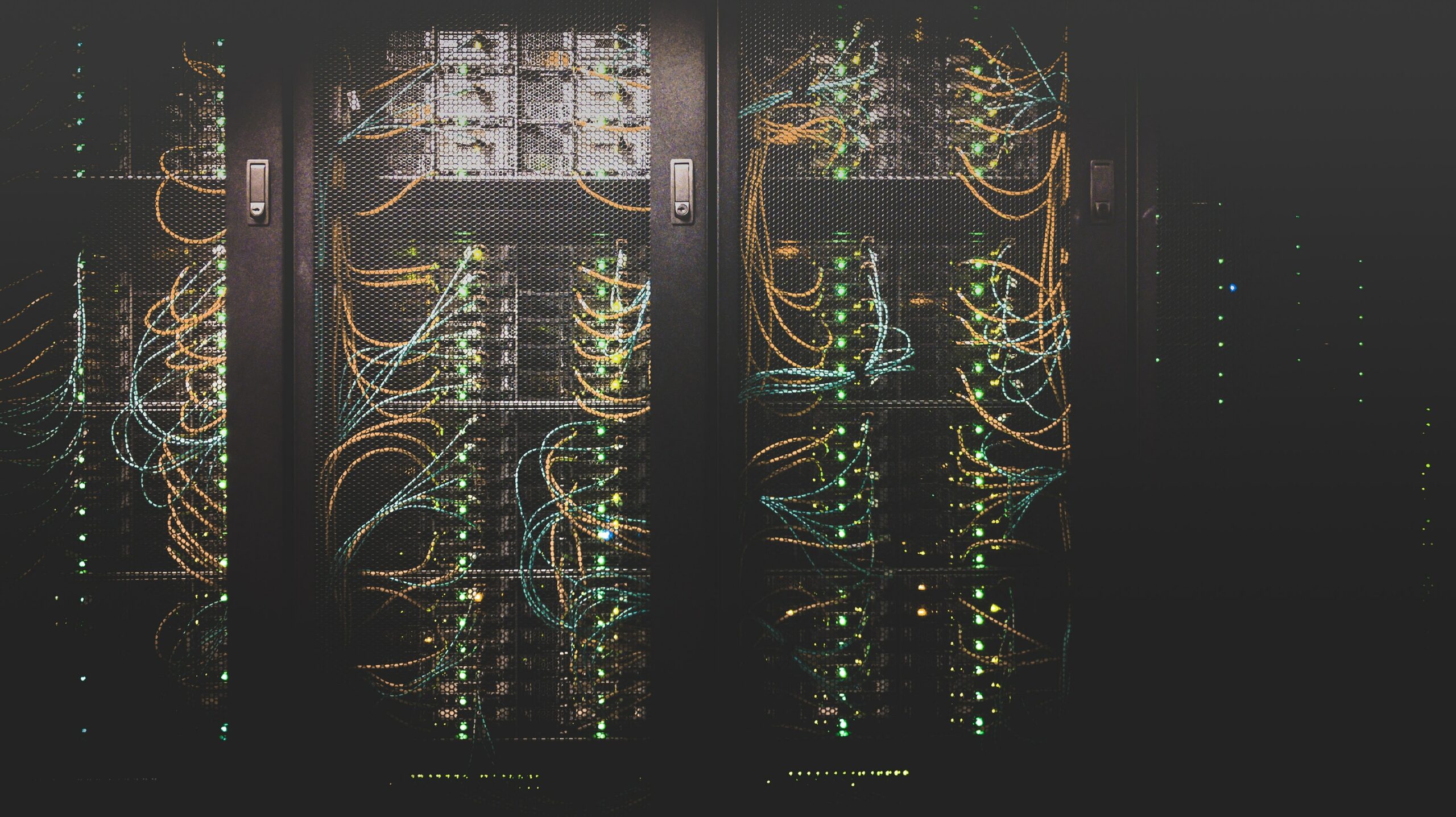
As businesses rely more heavily on real-time applications and connected devices, traditional centralized data centers are no longer always sufficient. This is where the concept of the edge data center comes into play.
An edge data center is a smaller facility located closer to users, devices, or data sources. Instead of sending information to a distant centralized data center, an edge data center processes data locally, reducing latency and improving performance.
By bringing computing resources closer to where data is generated, organizations can support faster applications, improve user experiences, and enable technologies like IoT and real-time analytics.
Edge Data Center: Quick Overview
An edge data center is a distributed data center located near the network edge to process data closer to users and devices.
Key characteristics include:
- Smaller than traditional data centers
- Located near end users or IoT devices
- Supports low-latency data processing
- Enables edge computing environments
- Improves performance for real-time applications
Edge data centers play an important role in modern IT infrastructure by supporting applications that require fast processing and minimal delay.
What Is Edge Computing?
To understand edge data centers, it helps to first understand edge computing.
Edge computing refers to processing data closer to where it is generated rather than sending it to a centralized cloud or data center.
In traditional IT architectures, data travels long distances to centralized servers. This approach works well for many workloads but can introduce delays when applications require real-time responses.
Edge computing reduces this delay by processing data locally using edge infrastructure, including edge data centers.
Why Edge Data Centers Are Important
Edge data centers provide several advantages that support modern digital services.
Reduced Latency
One of the biggest benefits of an edge data center is reduced latency.
When data must travel long distances to a central data center, delays can occur. By processing data closer to users, edge data centers significantly reduce response times.
This is critical for applications such as:
- Video streaming
- Autonomous vehicles
- Smart cities
- Real-time analytics
- Online gaming
Improved Performance
Applications that require fast response times benefit from local processing.
Edge data centers improve performance by minimizing network congestion and reducing the amount of data sent to centralized facilities.
Support for IoT Devices
The growth of the Internet of Things (IoT) has dramatically increased the amount of data generated by connected devices.
IoT sensors, cameras, and smart devices produce massive amounts of data that must often be processed quickly.
Edge data centers help manage this data by processing it locally rather than transmitting it across long distances.
Increased Reliability
Edge infrastructure can improve reliability by distributing workloads across multiple locations.
If a central data center experiences downtime, local edge data centers can continue processing critical tasks.
Edge Data Center vs Traditional Data Center
Although both types of facilities process and store data, there are important differences.
Traditional Data Centers
- Large centralized facilities
- Handle massive computing workloads
- Support cloud platforms and enterprise applications
- Located far from many users
Edge Data Centers
- Smaller distributed facilities
- Located near users or devices
- Process time-sensitive data locally
- Support edge computing environments
Both types of infrastructure work together to support modern digital services.
Industries That Benefit From Edge Data Centers
Several industries benefit from edge computing and edge data centers.
Healthcare
Healthcare organizations use edge infrastructure to process medical data from connected devices and monitoring systems.
Manufacturing
Smart factories rely on edge computing for real-time equipment monitoring and predictive maintenance.
Transportation
Autonomous vehicles and intelligent transportation systems require low-latency data processing.
Retail
Retail businesses can use edge data centers to analyze in-store data, improve customer experiences, and optimize inventory management.
How Edge Data Centers Support Digital Transformation
Digital transformation initiatives rely on fast, reliable infrastructure.
Edge data centers help organizations support emerging technologies such as:
- Artificial intelligence
- Machine learning
- IoT networks
- Smart city infrastructure
- Real-time analytics platforms
By distributing computing resources closer to users and devices, companies can scale their digital services more efficiently.
FAQ
What is an edge data center?
An edge data center is a small data center located near users or devices that processes data locally to reduce latency and improve performance.
How is an edge data center different from a traditional data center?
Traditional data centers are large centralized facilities, while edge data centers are smaller and located closer to where data is generated.
Why are edge data centers important?
Edge data centers support applications that require fast processing, including IoT systems, real-time analytics, and low-latency services.
What industries use edge data centers?
Industries such as healthcare, manufacturing, transportation, and retail rely on edge data centers for real-time data processing.
Future of Edge Data Centers
As digital services continue to expand, edge computing infrastructure will become increasingly important.
The growth of IoT devices, 5G networks, and real-time applications will drive demand for distributed computing environments.
Edge data centers will play a key role in supporting these technologies by enabling faster data processing and improved performance.
Strengthen Your IT Infrastructure
Modern IT environments require scalable, reliable infrastructure capable of supporting evolving digital demands.
Organizations that want to improve performance and reduce latency should consider integrating edge computing strategies into their IT architecture.
Liberty Center One’s managed IT services help businesses design, deploy, and manage modern infrastructure solutions that support edge computing, cloud services, and secure enterprise networks.