

When it comes to hosting infrastructure, there are generally a few separate tiers upon which it could generally bBusinesses today rely heavily on reliable IT infrastructure to support applications, data storage, and online services. One solution many organizations use is server colocation.
Server colocation allows businesses to place their own servers and networking equipment inside a professional data center facility. Instead of maintaining servers in an office or private server room, companies rent space in a secure colocation data center where their equipment benefits from enterprise-grade power, cooling, security, and network connectivity.
By using colocation services, organizations can maintain full control of their hardware while taking advantage of the reliability and infrastructure provided by a professional data center.
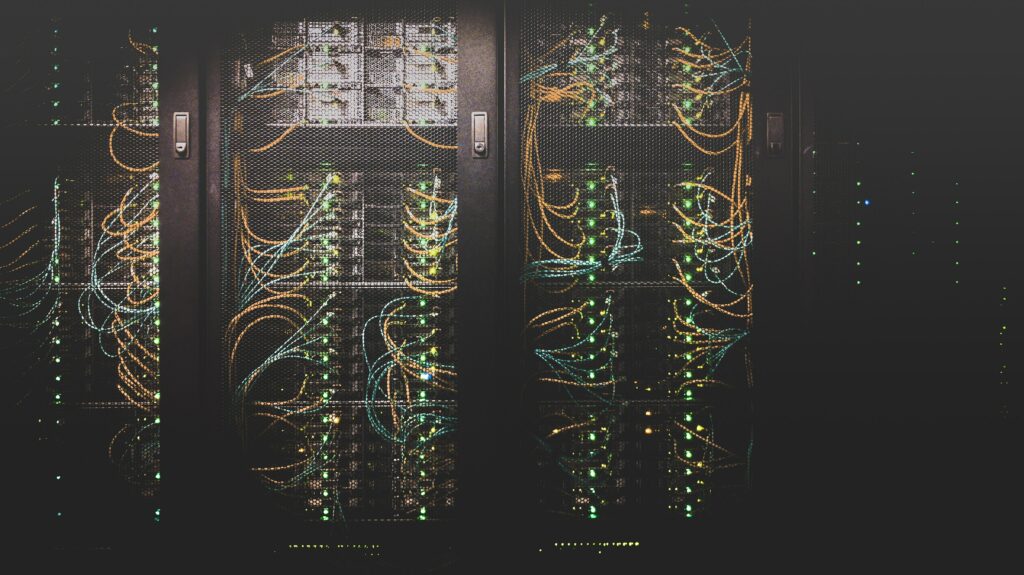
Server Colocation: Quick Overview
Server colocation is a service where businesses store their servers and IT equipment in a third-party data center.
Key features include:
- Renting rack space in a colocation data center
- Access to enterprise power and cooling systems
- High-speed internet connectivity
- Physical and network security
- Redundant infrastructure
Server colocation allows companies to keep control of their hardware while outsourcing the physical data center environment.
What Is Server Colocation?
In a traditional office environment, servers may be stored in on-site server rooms or IT closets. However, these environments often lack the power redundancy, cooling systems, and physical security required for reliable operation.
With server colocation, organizations move their servers to a specialized data center designed to support critical IT infrastructure.
The colocation provider supplies:
- Rack space
- Power and backup power systems
- Cooling and environmental controls
- Physical security
- Network connectivity
The customer remains responsible for maintaining and managing their own hardware.
How Server Colocation Works
When a business uses colocation services, the process usually works like this:
- The company purchases or owns its servers and networking equipment.
- The hardware is installed in a rack inside the colocation facility.
- The colocation provider supplies power, cooling, and connectivity.
- The business remotely manages its systems.
This approach allows organizations to maintain complete control of their infrastructure without having to build and operate their own data center.
Benefits of Server Colocation
There are several reasons businesses choose server colocation services instead of maintaining servers internally.
Improved Reliability
Colocation data centers provide redundant infrastructure such as backup generators, battery systems, and multiple network connections.
This redundancy helps ensure continuous uptime for business applications.
Better Security
Professional colocation facilities typically include advanced security features such as:
- Controlled building access
- Surveillance cameras
- Biometric authentication
- 24/7 monitoring
These measures protect critical IT infrastructure from unauthorized access.
Scalable Infrastructure
As organizations grow, they may require additional computing resources.
Server colocation makes it easier to scale by adding additional rack space or equipment within the same facility.
Reduced Operational Costs
Building and maintaining a private data center can be extremely expensive.
Colocation services allow businesses to share infrastructure costs with other customers while still maintaining dedicated hardware.
Server Colocation vs Cloud Hosting
Many organizations compare server colocation with cloud hosting solutions.
Although both support modern IT environments, they work differently.
Server Colocation
- Businesses own their hardware
- Servers are stored in a third-party data center
- Full control over infrastructure
- Predictable hardware performance
Cloud Hosting
- Hardware is owned by the provider
- Virtual resources are rented
- Flexible scalability
- Less hardware management
Some organizations use a hybrid approach that combines colocation and cloud infrastructure.
Who Uses Server Colocation?
Server colocation is commonly used by organizations that require reliable infrastructure and control over their hardware.
Industries that frequently use colocation data centers include:
Healthcare
Healthcare providers rely on secure infrastructure to store patient records and support critical systems.
Financial Services
Financial institutions require high availability and strong security for sensitive financial data.
Technology Companies
Software companies often use colocation facilities to host applications and services.
E-commerce Businesses
Online retailers need reliable infrastructure to support websites, transactions, and customer data.
What to Look for in a Colocation Provider
Choosing the right server colocation provider is an important decision.
Organizations should evaluate several factors.
Data Center Reliability
Look for facilities with redundant power, cooling systems, and network connections.
Network Connectivity
High-quality connectivity ensures fast and reliable access to applications and services.
Security Measures
A secure colocation facility should include access control systems, surveillance, and security monitoring.
Support Services
Many colocation providers offer remote hands services to assist with hardware installation and maintenance.
FAQ
What is server colocation?
Server colocation is a service where businesses place their own servers inside a professional data center facility that provides power, cooling, connectivity, and security.
What is the difference between server colocation and cloud hosting?
With server colocation, businesses own and manage their hardware. Cloud hosting uses virtual servers owned by the provider.
Why do companies use colocation services?
Companies use colocation to improve reliability, reduce infrastructure costs, and access enterprise-grade data center facilities.
Is server colocation secure?
Yes. Colocation data centers typically provide strong physical security measures, monitoring systems, and restricted facility access.
Future of Server Colocation
As businesses generate more data and rely on digital services, demand for colocation data centers continues to grow.
Organizations increasingly need secure, scalable infrastructure that supports high performance and reliability.
Server colocation provides a flexible solution that allows companies to maintain control of their hardware while benefiting from professional data center environments.
Strengthen Your IT Infrastructure
Reliable infrastructure is essential for modern businesses. Organizations that require secure, high-performance environments can benefit from professional colocation services.
Liberty Center One’s server colocation services provide secure data center environments, reliable connectivity, and enterprise-grade infrastructure to support critical business operations.